Up next in 10


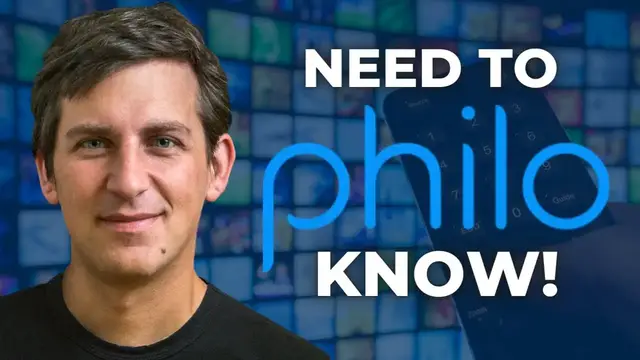
ONLY ON MICHAEL SAVES: Philo CEO and Facebook co-founder Andrew McCollum talked to me about the state of streaming TV and what changes cord cutters can expect in the future. What is the biggest obstacle for cord cutters? Is bundling good or bad? Can we expect more flexibility with the pay-TV bundles? Andrew touches on these topics and more in our in-depth interview, plus I asked him some of your questions. Get my cord-cutting guide for beginners here: https://michaelsaves.com/streaming/how-to-cut-the-cord/
This video was published in April 2022.
📔Chapters:
0:00 Andrew McCollum Talks to Michael Saves
0:35 Andrew’s Journey from Facebook Co-Founder to Philo CEO
2:57 Philo’s Unique Approach to Live TV Streaming
5:10 The Biggest Obstacle Facing Cord Cutters
7:22 The Value of Linear TV vs. Streaming Services
9:45 Would Philo Consider Adding On-Demand Services to its Bundle?
11:12 How Live TV Bundles Work and May Evolve Over Time
17:32 What It Takes to Get Streaming Apps on Various Devices
21:46 Providing Incentives for New and Existing Subscribers
24:48 Does Cutting the Cord Still Save You Money Compared to Cable?
27:10 What’s Next? The Future of Streaming TV
📺 More Cutting the Cord Videos and Articles
If I Were Cutting the Cord All Over Again, This Is Exactly What I Would Do: https://www.youtube.com/watch?v=OD3Xw9dmriM
Free Streaming TV Spending Tracker: https://michaelsaves.com/streaming/spending-tracker/
How to Stream Everything You Want & Save Money:
https://michaelsaves.com/streaming/streaming-tv-savings-tips/
Shop my favorite streaming TV equipment and more: https://www.amazon.com/shop/michaelsaves
NOTE: This video is NOT sponsored. However, this description box includes affiliate links. If you use my links, I may receive a small commission. Thanks for your support!
DID YOU LIKE THIS VIDEO? THANKS FOR WATCHING AND PLEASE SUBSCRIBE TO MY CHANNEL!
FOLLOW MICHAEL SAVES:
Website: https://michaelsaves.com/
Michael Saves Plus (Second Channel!): https://www.youtube.com/c/MichaelSavesPlus
Monthly Newsletter: https://mailchi.mp/a36c20b3255d/michaelsaves
Facebook: https://www.facebook.com/Saveonalmosteverything/
Twitter: https://twitter.com/michaelsaves
Show More Show Less View Video Transcript
0:00
From Facebook co-founder to Philo CEO, Andrew McCollum is here
0:04
The biggest challenge that cord cutters face. I went to Harvard. I've run a streaming company for like seven years
0:10
And even I sometimes have a really hard time. Pros and cons of the live TV bundle
0:16
So if you don't watch ESPN, you're paying $180 a year for a channel that you're never watching
0:23
And what you don't know about how streaming services work. A lot of people probably aren't really aware of this aspect of how streaming services work
0:32
Plus, I'm asking your questions next. Joining me today is Philo CEO, Andrew McCollum, and also a Facebook co-founder
0:42
Andrew, so glad to have you here on the channel today. And we're going to talk a whole lot about cord cutting and your service too
0:48
But first, I just have to know, how did you get from Facebook co-founder to Philo
0:55
what was that journey for you? Yeah, so I mean, my whole life, I've been really interested in
1:01
computers and technology, and how you can use those tools to create products and interesting
1:08
worlds that, you know, you want to bring into existence. You know, I started most of my life
1:13
from when I discovered kind of computers at a very young age, thinking I wanted to make video games
1:18
And eventually, I did spend some time in electronic arts doing just that. But as you mentioned
1:24
And later, once I got to college, I worked with some friends of mine at school and we created Facebook, which was obviously a really exciting and unique experience
1:39
But after that, I finished school. I went traveling for a while
1:43
And then I really started to think carefully about what I wanted to do next
1:47
And I realized that what I really enjoyed was building products that have a big impact on people's lives
1:53
and you know tv uh was really exciting to me uh because of that you know the average person spends
1:59
four to five hours a day watching tv which is more time than we spend doing anything else except
2:06
all mobile phone usage or all internet usage put together and obviously uh you do a lot of
2:12
different things on your phone and on the internet whereas tv is really about entertainment um and so
2:19
I was always really excited about trying to build something better in the TV space. It felt like TV
2:25
had been stagnant for a really long time. It hadn't gotten much better. Probably the biggest
2:31
innovation to TV in my lifetime was when first you got to go from finding the TV listings in your
2:39
newspaper to being able to see them on the TV guide channel. Then eventually an actual programming
2:45
guide on the cable box was like, you know, a revelation. That was about the biggest innovation
2:51
in TV in my life. So we were really excited about coming in and building something better
2:55
with Philo. It seems that each of these live TV services has been trying to differentiate itself
3:02
in some way or another. So for people who aren't familiar with Philo, why don't you tell us what
3:08
makes Philo unique? Yeah, Philo, as you said, is a live TV streaming service. We carry over 60
3:15
channels, live TV channels. And most of those channels are in the category of entertainment
3:23
lifestyle, knowledge, focused content. So particularly no sports, no news, and no broadcast
3:29
networks. And, you know, we really decided on that approach for a number of reasons. But, you know
3:36
we definitely recognized that it was a unique offering. There wasn't another place to get this set of channels without paying a much
3:46
higher price. And most of that costs going towards the sports news broadcast content
3:52
which, you know, some people don't really care about, you know, just for reference, you know
3:57
Philo costs $25 a month to subscribe to. If you're a traditional cable subscriber
4:04
you're probably paying around $15 or more every month just for the channel ESPN alone
4:12
So if you don't watch ESPN, you're paying $180 a year for a channel that you're never watching
4:19
That's like 60% of the entire cost of Philo by itself. So we really wanted to create something
4:24
that was a different choice. It gave people who weren't interested in those expensive categories
4:31
of content a place to go where they could get it and just overall something that we felt like was a
4:36
really good value to our subscribers um and i think you know we feel really great about the
4:43
direction we've taken and how we've been able to continue to uh offer our service at a really great
4:48
value even after you know four years uh whereas others have raised their prices significantly
4:54
or in some cases you know taking channels or content groups off their services um
5:01
in an effort to try to get to a good balance in terms of value while also making it a business
5:07
that they can run. Sure. And on this channel, I help a lot of people who are first-time cord
5:13
cutters, people who have cable or satellite and are paying that high price that you just mentioned
5:19
looking for something that's a little more in their range. What would you say, as someone who's
5:24
leading one of these alternatives, is the biggest obstacle that cord cutters are facing right now
5:31
Yeah, you know, from my perspective, I think the biggest obstacle is just the complexity
5:36
you know, as much as we try to make it as simple as we possibly can to get up and running with
5:42
Philo. In fact, if you download the Philo app on a Roku, you know, you can get up and running
5:48
in like 10 seconds with, you know, a phone number and start trying it out. But I think that the
5:55
process to getting there is still quite complicated. I think a lot of people are, you know
6:00
you have to figure out, well, I want to cancel my TV service, but I want to keep my internet
6:06
service. So how is that going to change my bill? And am I on a contract? And do I need to return
6:11
the equipment? And what other, do I need different equipment? Then you've got to figure out, well
6:16
I need a streaming device, but do I get a Roku or Amazon Fire TV or an Apple TV or Google
6:24
you know, Android TV? Then you're like, okay, well, if I get the device, you know, I have to
6:30
connected to my Wi-Fi? What apps do I really need? What services do I really need to replace what I
6:35
was getting from traditional cable? You know, is Philo enough or do I want to mix and match a few
6:41
different services together, for example? Just figuring out is very complicated. I mean, I
6:47
you know, you talk about someone who's sort of inside the space and I've, you know, I feel like
6:52
I'm a reasonably smart person, you know, like I don't like to really like talk about this in a
6:58
bragging way. But you know, like, I went to Harvard, I've run a streaming company for like
7:03
seven years. And even I sometimes have a really hard time navigating some of these streaming
7:08
options and figuring it out. So it's like, if I'm having that much trouble, you know, figuring it
7:14
out and making everything work the way I want, the average consumer is going to probably be
7:19
completely lost. And I think that so I think that's the biggest challenge. One thing I noticed today on your website, and I think it's relatively new
7:26
right on the homepage. It's no longer just a list of the networks that you get with Philo. It
7:32
actually is broken down by genres and also includes some of the more popular shows that
7:40
are on those networks. I think we've come at a point, and I'm interested in your thoughts on this
7:45
where the linear TV networks are, but some of them are kind of known for one show. Paramount Network
7:51
is the place where you watch Yellowstone now. So I think that one way that Philo is kind of tried to simplify and make it more clear for the consumer I think that a really interesting point you brought up And I think there definitely some truth to that
8:06
I would say from our perspective, we definitely think there's a lot of value in the linear experience
8:12
You know, one thing we talk about is that, you know, the trade-off with SVOD is that
8:18
you open up one of these services, you know, like Netflix or something, and you spend like
8:23
half an hour just trying to figure out what you want to watch. You know, I'd say that me and my
8:27
wife, when we try to watch something on Netflix, probably at least 50% of the time, we just give up
8:32
and go to bed rather than actually ever finding something. And I think that that's one of the
8:38
beauties of the traditional linear experience is if you know there are channels that, you know
8:44
that you care about that kind of match what, you know, your content preferences, you can just kind
8:50
of put it on and watch for a while and kind of not have to make a lot of choices and decisions
8:55
about do I want to watch this show or that show and which episode and all that. But we were finding
9:02
that people were not realizing really the breadth of content that's on Philo because if you're only
9:08
watching the linear networks or only know about the linear networks maybe you don't realize that
9:12
We have over 40,000, you know, shows you can watch on demand on Philo, you know, and there's a really a pretty broad array of content there
9:24
And we wanted to really surface that so people realized, yes, you get the live linear experience
9:29
And that's definitely what a lot of people get, you know, come to Philo for and where they see a lot of value
9:34
But there's also a really deep library of on-demand content as well
9:38
So we wanted to try to surface both of those things. And that's why you saw some of those changes we made
9:45
I want to ask you about the plus services. One thing that people are kind of finding themselves in
9:49
some things they like are on those on-demand services. And then some of the more popular shows are still reserved for the cable networks that you get with Philo
9:58
Do you see any possibility in the future of having a way to bundle or bring all those things together
10:04
in a way that's valuable for the consumer in one place. For sure
10:10
It's something we would love to do and we spend a lot of time thinking about it
10:14
and working on and talking to our content partners about how we could do that
10:19
I think that it's been tricky because as you mentioned, there is a lot of overlap in some of the older content
10:29
between the live linear experience and those on-demand plus services. And for that reason
10:36
we would really love to find a way that if you're a Philo subscriber
10:41
you can get those services at a much lower cost than you would have to pay
10:45
if you were just signing up individually because it makes sense. You shouldn't have to pay for things twice
10:50
That seems pretty fair, but that creates all kinds of complication in terms of how they're offering it
10:57
and their partnerships with others. I'm hopeful that we'll be able to do
11:01
exactly what you're talking about. But it is, you know, it is tricky to figure out exactly
11:07
you know, how it works economically and figure out how to get the deals done
11:12
In the past, you've said that you thought there would be more bundling going forward with
11:17
streaming. Do you still see that as the case? Or do you see more, see more of the continuing the
11:24
way it is with the explosion of one off services, and people are kind of creating their own bundles
11:28
combination of either live TV on demand or free services too. Yeah, I do think that
11:35
there will be definitely more of, there's been such a fractionalization and, you know
11:45
splitting a part of the content across all of these different services. I do think that that
11:52
needs to change and will change and they will come back together more into a singular experience
12:02
Like we're talking about now with, could we offer sort of these plus offerings as part of Philo
12:09
for example. I think that I am a believer in bundling. I think that versus the typical cable
12:16
options, there does need to be more choice. Obviously we have a entertainment focused package
12:22
we have no problem with sports per se you know we you know sports are great uh the issue is not uh
12:29
should you be able to get sports the the challenge is can you offer in a way that doesn't force
12:35
everyone to pay for it if they don't want it um so you know for example does that in the future
12:41
look like a you know non-sports package like maybe we have today and then a sports package for people
12:46
who want that content. And it includes those channels that bring a lot of cost, but also for
12:52
the people that want them, provide a lot of value. And then maybe, I don't know, maybe news could be
12:58
a category in and of itself as well. There's a lot of people who talk to us and say, we really
13:02
want news on Philo. And we say, well, that's great. But if we added those channels, we would
13:09
have to add a ton of other channels that would drive the cost way up to $70 or something like
13:15
a lot of the other big bundle streaming services. And we also get a lot of people who say
13:21
we love Philo because it doesn't have news. We never want news. We don't want it to be part of
13:25
the package. So I think it would be great to be able to give both those groups the choice they
13:32
want. But still, I think some concept of bundling where you're not having to individually decide
13:39
every channel and every service that you want to subscribe to and figure out on an ongoing basis
13:44
what shows are where and which things you need to, you know, subscribe to or unsubscribe from
13:51
to kind of like create your optimal TV package. I don't think that really serves anyone best
13:56
including consumers. It's really complicated. It drives up costs because when you're subscribing
14:01
to everything individually, the price is higher. And it just generally, you know, makes everything
14:06
a lot more complex than it needs to be. Speaking of bundling, one of the questions that I did get
14:12
from a viewer, would Philo ever consider adding Weather and USA to compete with Sling
14:19
Where I think there's a divide is that the consumer is just thinking, I want these channels
14:25
And without understanding the part that you just mentioned, that you would have to add
14:31
a whole bunch of other ones too in order to make that possible
14:35
So when someone says, Philo has everything I want except for, where do they go
14:41
What's the recommendation? Well, sometimes there are good answers. Like if someone's like, Philo is everything I want, but I want to get the broadcast content
14:51
Well, there are choices where you can get a digital antenna and add Philo
14:57
And in San Francisco, you can get 70 over-the-air channels. So you can get like 130 channels for $25 a month
15:03
And it can be a great deal for someone who's budget conscious. In some cases, if you want particular channels, there may not be good complimentary services to Philo. So you're kind of stuck in this really awkward spot of saying, do I give up accessing those channels or do I pay a lot more
15:22
And I think that's a tough place for people, especially when, as I was just saying, and just trying to explain a little bit more, these channels are owned by companies like Disney and Paramount and NBC, Comcast NBC
15:41
And generally, if you want to license one of their channels, you kind of have to add all of them
15:46
But you know sometimes you know they like in the case of Discovery all the channels are in sort of a big you know are all kind of in the same general neighborhood at least until maybe once they can merge with Warner that new change But in other cases like NBC for example they have you know some channels that are entertainment focused like you know USA and Bravo
16:09
And then, you know, obviously they have the news and the broadcast news and sports channels
16:14
which are maybe, you know, not, not kind of interesting to the people who aren't
16:20
you know, interested in that category of content. So I do think that, you know, I expect that actually more flexibility will exist because, you know, what we found with Philo, what we've shown is that there are a lot of people who will pay and really want these channels, these entertainment channels, if they don't have to pay $80 a month for the sports networks and the other channels
16:45
So if your choice is you can offer something to those customers and have them be really happy and pay for your content, if you're one of these big programmers, or you basically shut them out because, you know, instead of paying $80, they're just going to cancel and, you know, watch stuff on SVOD services and YouTube and Pluto and places like that
17:09
you know, maybe you sort of start to realize, well, the benefit of giving people the flexibility
17:14
is actually, you know, better than sort of trying to force everyone into this one size fits all
17:20
solution. I think that that realization will come and we await that day with bated breath, but
17:28
you know, it's hard to say how far into the future it will be. You mentioned earlier streaming
17:34
devices. Philo is available on the major ones, Roku, Chromecast, Fire TV Stick, and the rest
17:41
One thing that I hear a lot from is people who have Samsung TVs, people who have a cable package
17:46
and they're going into the store, Best Buy or somewhere, and they're purchasing a new TV set
17:51
with the expectation that that TV set is going to be their ticket to all of their streaming apps
17:58
And then they're disappointed, not just with the Philo app, but with other apps that they're
18:03
finding are not on the interface that comes with a Samsung television set. So what I've never had
18:09
the opportunity to do is to ask someone who works at a streaming service, what are the factors in
18:15
getting your app on all the different platforms? Yeah, it's fascinating. There's a whole bunch of
18:21
different factors that go along with it. I mean, just looking from our perspective, one factor is
18:27
obviously just the development time and resources that goes into building the app, which can be
18:32
quite significant. We're a small company and part of how we deliver a great service at a really fair
18:39
price is by running our company pretty leanly. And so we're always kind of making that trade-off of
18:46
you know, not only is it the investment in building the app, but also then because we want all of our
18:51
apps to be great experiences, anytime we're adding a feature, we have to add it, you know, it's one
18:56
more place where we have to build that same feature. But, you know, beyond just the development
19:00
piece, you know, you have to go almost, you know, to be present on really any of these platforms
19:07
you essentially have to go and do a deal to allow your app to show up. And there's all kinds of
19:12
restrictions and terms come along with that deal in terms of how the platform is compensated
19:20
essentially, for people using your service on their device. A lot of people probably aren't
19:26
really aware of this aspect of how streaming services work. They probably think, well
19:33
I go and I buy a Roku or a Fire TV or a Samsung TV, and anyone who wants to make an app can put
19:40
it there. And then I'm just transacting between me and the person creating that app or service
19:48
But really, what they don't realize is that actually the platform really is sitting in the
19:56
news, how apps on the iOS app store or, and including Apple TV, you know, you can only use
20:03
Apple's billing and they take a pretty significant cut, you know, when you do that, you know, that
20:09
is not, you know, that has a big effect on how these services are offered. If you're a consumer
20:17
you know, you're effectively paying the price of that, you know, along with, along with the cost
20:23
the you know the underlying cost of the service so i think that um that's an interesting dynamic
20:28
it's definitely one that can be challenging to navigate you know a lot of these rules you know
20:33
when you think about them are are could come off as fairly draconian you know a lot of these
20:37
app stores won't even allow you to tell someone that they can subscribe on the website or give
20:42
them a link to do that it would sort of be like uh if you know you were a a company that made
20:50
coffee makers, for example, and you want to sell them in Target, it would be like Target saying
20:55
you can't put anything in the box, even in the manual telling people what website, your website
21:01
if they want to buy, you know, coffee filters or buy replacement parts or whatever, you have to like
21:06
send them back to Target to get that instead, you know, which would be kind of crazy. You're like
21:11
well, you know, how does that make any sense? And so, you know, a lot of these rules can feel
21:18
very onerous and it's challenging to navigate what the best trade-off is. But I'd say that
21:24
to your point though, we do recognize that there are other big platforms that we're not on that
21:29
people would love to be able to use Philo on. Samsung's definitely probably the biggest one and
21:34
it's something we're starting to work on and I can't announce yet when Philo will be on Samsung
21:42
but it's something we're looking at pretty carefully. Another question I got from viewers relates to the promotions. If there's anything that you see that services could do to kind of reward the customers who don't stop and start their subscription several times a year, who stick with Philo because they believe in the content and they just like the company, the service, whatever it may be
22:05
Yeah, you're really speaking my language. We spend a lot of time thinking and talking about this question. You know, one of the really big things we do is that we mostly have kept our service pretty similar to the way it was since we launched
22:21
But last year, at the same time, we increased the DVR from one month to a year
22:28
We did, you know, the price did go up from $20 to $25, which is the first and only time
22:34
we've raised our price since we launched. But when we did that, we allowed everyone who was already a Philo subscriber to keep
22:42
their existing plan at their existing price. And we didn't force anyone to upgrade
22:47
And we didn't increase anyone's bill. And that was really important to us. We wanted to treat our loyal subscribers well. And so we, you know, we maintain that. And that's an approach we've taken every time we've made a change to our subscription offerings
23:05
we've always allowed the people who are already subscribed to keep what they have or, you know
23:12
or make it better. You know, we've added channels to our existing packages as we've added them
23:18
you know, to the service in a lot of cases. And so people have gotten more without seeing any
23:25
change to their price. So that's something we care a lot about. We've talked about things that
23:31
we could do to go even further along those lines. I'm a big believer that you should be rewarded if
23:38
you're a loyal subscriber. It used to drive me crazy and still does, except that I'm no longer
23:44
a cable subscriber. But this idea that you got this sort of promo price for like six months or a
23:51
year, and then without really even telling you or without noticing, you're built like double
23:57
And then later you kind of notice and you have to like call them up and haggle with them and pretend like you were going to cancel or actually cancel so you could get a new promo price And it felt really hostile to people who are loyal customers
24:12
And I feel like we've really tried to take the opposite approach at Philo, which is that we do sometimes offer, you know, deals to people, you know, in that first sort of month or so
24:23
But we definitely really try to make sure that the people who have been subscribed for a while are treated well and that we, if anything, you know, they sort of see more benefits for sticking with us for longer rather than really kind of incentivizing people sort of be in these kind of promo situations and take advantage of that, you know, even if they, rather than, you know, being loyal, loyal subscribers
24:48
A lot of people who reach out to me, they tell me they subscribe to maybe three to five services
24:55
That seems to be the number now. But that can get people paying $50, maybe $100 a month, depending on the combination they have
25:03
At this time where people are worried about filling up their gas tank, buying groceries
25:09
what do you think is, is there a ceiling? Is there a point where people are going to say, whether you call it cable or whether you call it
25:16
streaming, I'm just not going to go over $100 a month. Well, I do think that it sort of gets back
25:22
to that point about kind of bundling and how if you could bring some of these things together
25:28
you could actually probably offer it at a significantly lower cost. But I think, you know
25:34
you still have this question of, you know, how many services there are out there and how much
25:41
you want to subscribe to. I would say that, you know, while originally, you know, cord cutting
25:46
really was a way to lower your cost, for a lot of people, probably they are in a situation now
25:52
where they may be paying just as much or more for, you know, their package of content that
25:58
they're getting than they were with cable. I think that's not probably so much true for
26:05
Philo subscribers, because Philo, I think, is a really great building block where you can get 60
26:10
plus live TV channels for a really, you know, affordable price, $25 a month. And then you
26:17
if you want to add on other streaming services on top of that, you can pick a bunch of them. You
26:23
know, you can subscribe to Philo and Netflix and the Disney bundle and, you know, Hulu's VOD product
26:31
I mean, I guess I'd be including the Disney or, you know, a bunch of these other services
26:35
maybe some niche ones for less than it would cost to subscribe to, you know, another even
26:42
another streaming TV package like, you know, Fubo or YouTube TV or something
26:49
So it gives you a lot of flexibility because the price is a lot lower
26:54
But I do think ultimately you'll, you know, if there's an ability to consolidate some
26:59
things and like I said, avoid customers having to basically pay twice for the same content
27:03
you could bring the cost down quite a lot for people and also make the experience simpler
27:09
You've mentioned more bundling as services consolidating the number of services. You've
27:14
also mentioned the possibility of more flexibility with the bundles, the linear bundles. Is there any
27:21
other things you may see on the horizon as you look to the future of cord cutting
27:26
Yeah, well, I definitely think one really interesting kind of evolution that we think a lot about is that right now, these different categories of content, traditional TV, sort of the ad-supported AVOD content, free TV that's ad-supported, and these SVOD streaming services all kind of exist in separate silos
27:54
and I think that we also see that coming together more in the future in that you should be able to
28:01
access all these different types of content within the same experience. We've started to add what we
28:08
call free channels to Philo which are channels that bring additional content to the platform but
28:12
don't drive additional cost and I think you'll probably will probably do more of that but also
28:18
and I also touched on how actually a lot of people aren't really aware of kind of the depth
28:23
of the on-demand content on Philo because they largely see it as the linear networks
28:29
So I think there's ways that we can evolve the product experience to better enable that to happen
28:36
Just one example, you know, it's really just to think about just the concept of a TV channel
28:41
It's really a relic of this time when there was literally an antenna on top of the tallest
28:47
hill around broadcasting out a signal to everybody in real time. and you know the technology for Philo no longer works that way we can send a different video
29:00
stream to everyone who's watching which is how we enable things like starting programs over from
29:06
the beginning for example but you know you can take that even further and say you know why
29:12
shouldn't a tv channel work more like a Spotify or Pandora radio station where if you don't like
29:19
what's on you don't have to wait an hour for a new show to come on you could just skip to the next
29:24
thing and maybe over time uh we can actually learn a little bit better uh what your likes and dislikes
29:31
are um you know and tailor the the channel to to better match uh your preferences and so uh things
29:39
like that you can sort of imagine an experience that kind of takes the best of all these different
29:44
worlds and puts it together where you get the flexibility of the S-FOD kind of experience where
29:52
you can skip what if you don't like what's on you can skip ahead to the next thing you can pick
29:56
you know a show or episode to watch and watch it kind of on demand you get the variety that comes
30:03
from bringing in the ad supported content in addition to the premium content you get the kind
30:09
of simplicity and ease of the linear experience where you don't have to kind of pick and choose
30:15
every single thing you want to watch. And it's can be really overwhelming to kind of navigate that
30:19
I think there's a way to bring all those things together on a much more harmonious and easier
30:25
experience for consumers. So that's really exciting. And what that allows you to do also
30:32
is to weave in more content that is not necessarily, like, that's not necessarily associated with
30:41
really strong brands. Or I guess another way to put it is like, for something to be on TV
30:47
there's a pretty high bar for like the quality and also the wide appeal that it needs to have
30:55
you know, because TV, you know, the traditional TV channels are a very scarce resource. You know
31:01
you can only have one, you know, like one show on and every half hour, half hour block, depending on
31:06
how long it is. So that really limits kind of the types of content that can be successful there
31:11
But if you have a platform that allows for content that is available through more financial models
31:18
like it's ad supported or, or, or other supported in other ways, and you have a platform that can
31:24
surface content more flexibly, it's not just a 24 by seven network, you could allow the ability to
31:31
have more niche content in a way that creates more choice for people and doesn't drive up cost
31:39
So I don't know, that's probably like getting pretty deep into the sausage making. But you can
31:45
get some sense for, I think, like how when you kind of evolve what the TV experience is and broaden
31:51
that a bit, it allows for a lot of opportunity that's not really being kind of met today
31:57
Absolutely. Andrew McCollum, Philo CEO, thanks so much for joining me today
32:01
Yeah, thanks so much for having me. Really enjoyed it
Film & TV Industry
Online Media
TV & Video
Online Video
Consumer Electronics
People & Society
Entertainment Media Rentals
TV Networks & Stations
Media Streaming Devices