0:00
I searched how to get an 800 credit score and read the top 10 articles from Google
0:05
to confirm a suspicion that, as a personal finance writer, I've had for years
0:10
Building an excellent credit score is just not as complicated as the experts say
0:16
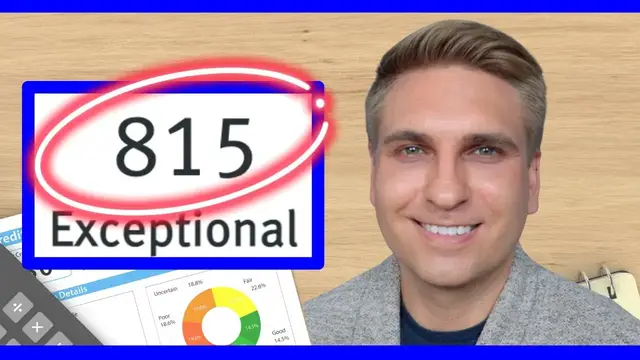
Really. And I should know, this is my credit score. It's been above 800 for years, and today, I'm going to retrace my 18 years of credit history
0:26
to tell you exactly how I got to this point. So if you want an excellent credit score to obtain better interest rates on a mortgage, auto loan, or a credit card, keep watching
0:38
If you're watching this video, chances are you've heard about FICO scores
0:42
That is one type of credit score. Anything over 800 is considered excellent, while anything over 740 is very good
0:52
But before I walk you through my credit history and how I built an 800 credit score, let's take a look at the big picture
0:59
This is from FICO's website. The five main components of your credit score are payment
1:05
history, amounts owed, length of credit history, credit mix, and new credit. In this video
1:11
I'll go over each of these factors and explain what I did to improve my credit score. These
1:17
are tips that you can apply as well. Let's get started. First, the most important factor
1:22
payment history, 35% of your score. Lenders want to be confident that if they loan you money
1:29
you're going to pay them back. And the best way to demonstrate that you're trustworthy to lenders
1:34
is to pay your bills on time. This is my free Experian credit report from annualcreditreport.com
1:42
I went through it and for every account it said, never late. Why is that important? Well
1:47
Forbes says that once your credit report lists a late payment, it can cause serious damage to
1:53
your credit score. But if you've already missed payments, start paying on time to reverse some of the damage
1:59
So how have I not missed a single payment in 18 years? Coming up in the next section, I'm going to talk a little bit more about my weekly money routine
2:09
But for most people notes on the calendar or payment alerts from lenders are helpful Personally I do not set my credit card bills on autopay because I like to review the transactions in case there are any
2:21
errors. But if autopay keeps you from missing a payment, consider that too. Amounts owed is next
2:27
and it's 30% of your credit score. And for this example, I'm going way back to the first credit
2:33
card I ever applied for. 18 years ago, it was a Discover credit card. To be more specific
2:39
it was a Discover card for students, similar to the ones that are offered today. I don't remember
2:45
the exact initial credit limit, but let's say $500. What you don't want to do is go on a shopping
2:52
spree and max out the credit card. Instead, make small purchases and pay them off in full. That is
2:59
what I did back then and what I've done ever since. Here from my Discover scorecard, a free credit
3:05
score tool, you see that I've used only 1% of my total available credit limit. Now that is very low
3:13
maybe not realistic for everyone, but consider this. Experian says the average utilization rate
3:19
is 11.5% for people with FICO scores over 800. So that is something to aim for if you want an
3:27
excellent credit score. And here's a bonus tip, part of my weekly money routine. Instead of paying
3:33
my bills once a month, I log into my credit card accounts every single week to pay off all of my
3:39
bills in full. No, it's not that time consuming. It's part of my 10 minute weekly money routine
3:46
I'll have a link below to the step by step. Now the length of credit history and this makes up
3:51
15% of your credit score. You may think there's nothing that you can really do about the length
3:58
of your credit history but hear me out on this one take a look at my discover scorecard again
4:04
you see the length of credit is 18 years i opened my first account when i was only 18 years old
4:11
so my first takeaway is to begin establishing credit early on student and secured credit cards
4:17
are two solid options to look into but in addition to the age of your oldest credit card look at this
4:24
Also considered the age of your newest card and the average of all credit accounts That explains why throughout the top 10 articles about how to get an 800 credit score I saw this piece of advice repeated time
4:39
and time again. One example from Debt.org. If you want a credit score closer to 800
4:45
don't close one credit card when you get another. Keep cards open and use them once a month just to
4:52
show they're active. The thinking here is that if you close a credit card account, it's going to
4:57
lower the average for all of your accounts. And when I was just getting started out the first
5:02
five to 10 years, I took this very seriously. However, after about 10 years of credit history
5:08
when my score was into the excellent range, I stopped worrying so much about this. And now
5:14
if I'm not getting value out of a card with an annual fee, I don't hesitate to cancel it
5:19
This hasn't had a big impact on my credit score over time, but I think that's because of what we're going to talk about coming up next
5:27
And that brings us to credit mix, 10% of your score. I remember starting with that Discover card 18 years ago
5:35
I used it for about a year and a half before I took out my second card, an American Express
5:41
Here is a look at my credit report to show you the dates from 2014 and 2015
5:47
routine, you see the Discover card and then the American Express. In the years that followed
5:52
I gradually opened new credit cards to earn more rewards, and this helped my credit mix
5:59
But as Education Loan Finance reports, you want to have a diverse mix of credit accounts. So it
6:05
is better to have a credit card, mortgage, and auto loan rather than three credit cards. But I'm not
6:12
suggesting that you take out a loan just to build your credit, and neither is that article. It's
6:17
going to happen on its own as you move through life. For my first few years of credit history
6:22
I had a few credit cards and paid the balances regularly, never maxing out the cards. And then
6:28
in my mid-20s, I got loans for a home and a car at different times. And this is a key point that
6:35
I want to make When I took out my first home loan in 2009 my credit score was not above 800 In fact I remember it was in the mid 700s but still I locked in a great interest rate for that time So do not obsess about the number 800 I remember a credit expert once told
6:54
me that people should aim for 760 to get the best rates. I guess that explains why there are also
7:02
articles for how to get a 760 credit score in addition to how to get an 800 credit score
7:09
Let's move on. The fifth and final component of your credit score
7:13
is new credit, 10%. We just talked about credit mix, and if you're trying to improve your credit mix
7:20
you may think the answer is to take out a few new credit cards, but don't do it all at once
7:26
Back to FICO's website, and it says that opening several new credit accounts
7:31
in a short period of time represents greater risk, especially if you don't have a long credit history
7:37
Here is my Discover Scorecard again, and although my total number of accounts is high at 43, that's 18 years of credit history
7:47
And it includes both open and closed accounts. I never applied for multiple credit cards or other loans at the same time
7:55
And this is really important if you're in the process of buying a new home
7:59
because you do not want to apply for a mortgage and then run out and go buy a car or apply for a new credit card
8:06
That could send red flags to the bank about approving your mortgage
8:10
Let's get to my key takeaways if you want an excellent credit score
8:14
First, pay your bills on time and in full if you can
8:19
Second, keep your credit utilization rate low. Do not max out your credit cards
8:24
Third, use your credit cards regularly and try not to close old accounts
8:29
Fourth, mix it up. Diversify your types of credit accounts. And fifth, avoid opening too many accounts in a short period of time
8:39
And remember my bonus tip to work on your credit utilization rate
8:43
pay your bills once a week or twice a month instead of just monthly
8:48
Then track the changes and in a few months, your credit score may go up
8:52
Make sure to review your credit score and reports regularly, dispute any errors if you find them, and I'll drop links below to some free resources